
Built on research.
Designed for kids.

tapouts is grounded in developmental psychology and social-emotional learning research, developed with researchers from Keck Medicine of USC. Designed to help your child move from surviving to thriving.
Youth are struggling
more than ever.

Youth today are
surviving, not thriving.
Research shows that most young people are stuck in a stress-driven survival mode, reacting to challenges rather than growing from them. The science behind tapouts starts with understanding this spectrum.
Survive Mode
Fear-based, narrow-minded. When stress activates the HPA axis, it shuts down higher brain functions, cognitive flexibility, emotional regulation, and creative thinking.
Thrive Mode
Growth-oriented, resilient. Youth develop well, flourish, and build the capacity to handle adversity, becoming catalysts for thriving communities.
“If we want a better future, we have to urgently invest in those who will create it.”United Nations
The science
behind tapouts.
A Multimodal Approach to Socio-Emotional Learning (SEL), combining four evidence-based mechanisms into one integrated program.
What is holding
your child back?
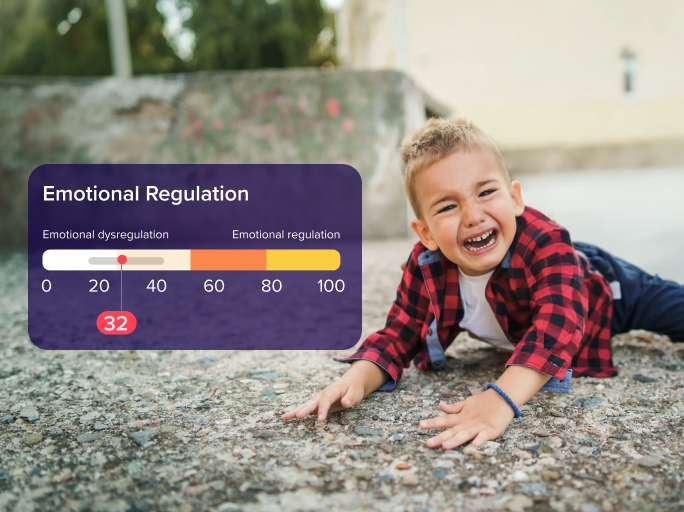
From meltdowns to self-regulation
Emotional meltdowns are one of the most common challenges parents face. Your child screams, cries, or shuts down over things that seem small, but to them, the feelings are overwhelming. Emotion regulation isn't something kids are born with. It's a skill that develops through practice and guided support.
tapouts teaches kids to recognize what's happening in their body before a meltdown hits, then gives them real tools, breathing techniques, emotion naming, and cool-down strategies, practiced live with a coach so they actually stick.
From explosive to expressive
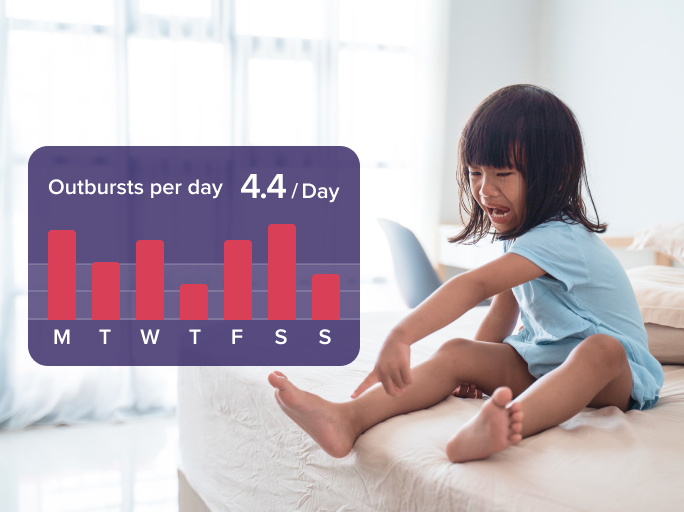
Your child gets angry fast and doesn't know what to do with it. The anger comes out as aggression, defiance, or complete withdrawal, and it's getting harder to manage at home and at school. Anger itself isn't the problem. It's a signal that something deeper needs attention.
tapouts helps kids understand what their anger is telling them and gives them healthy outlets to express it. Through live coaching and small-group practice, kids build an emotional vocabulary so they can say what they need without blowing up.
From worried to grounded
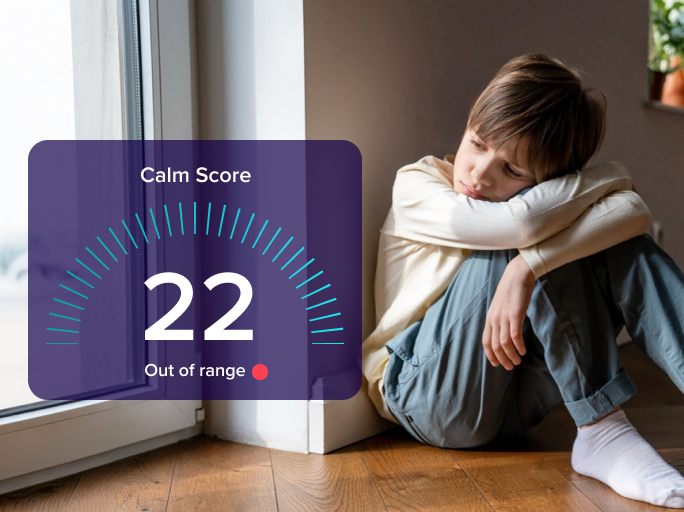
Your child worries constantly, about school, friendships, or things that haven't happened yet. The anxiety shows up in their body and behavior, and it keeps them from trying new things or enjoying the ones they used to love. When stress activates the brain's survival response, it shuts down the higher-order thinking kids need to cope.
tapouts sessions are built on CBT (Cognitive Behavioral Therapy) principles, the most researched approach for childhood anxiety. Kids learn to identify the thought patterns driving their worry, challenge them with a coach, and replace them with grounded, accurate thinking. Practiced live in small groups, these skills move from sessions into real life.
From shutting down to opening up
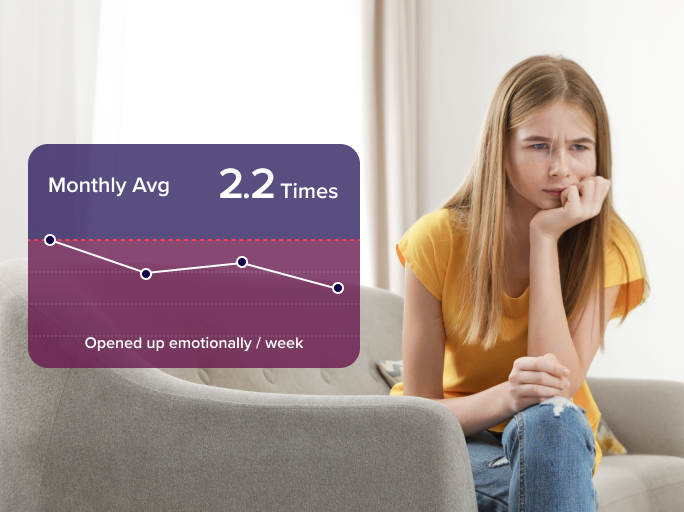
Your child goes silent when emotions come up. They say "I'm fine" instead of opening up, or won't talk about what's really going on. You can see they're struggling but can't get through. Kids aren't born knowing how to express complex emotions, it's a skill that needs to be taught and practiced.
tapouts is grounded in SEL (Social-Emotional Learning) research, which shows that kids who receive explicit instruction in emotional expression develop stronger relationships, better self-advocacy, and higher confidence at school. In every session, kids practice putting feelings into words in a safe, coached environment, so opening up becomes the norm, not the exception.
The tapouts approach.
Most programs teach kids to talk about their feelings. tapouts teaches them what to do with them. Every session is built on real science, developmental psychology, CBT, and social-emotional learning research, and delivered live by trained coaches in small groups. It's not therapy. It's not an app. It's weekly skill-building that compounds over time.
Developed with
leading researchers.
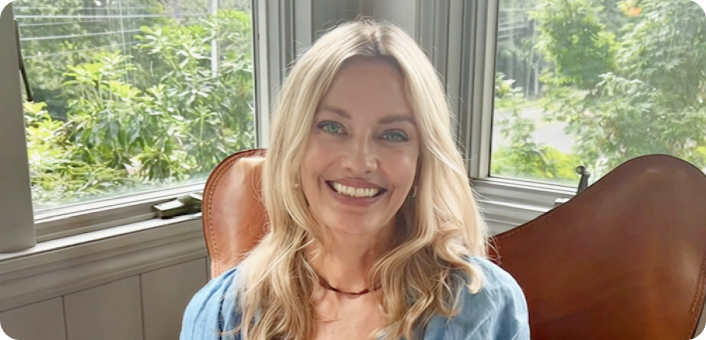
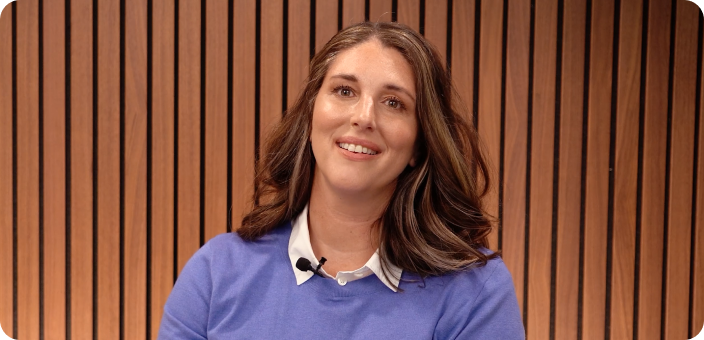
Our curriculum was developed with researchers from Keck Medicine of USC and is led by a clinical team with decades of experience in child psychology and social-emotional development.
Why this
approach works.
The research behind tapouts isn't just theory. It explains why traditional approaches fall short and what actually helps kids build lasting change.
The stress response in kids
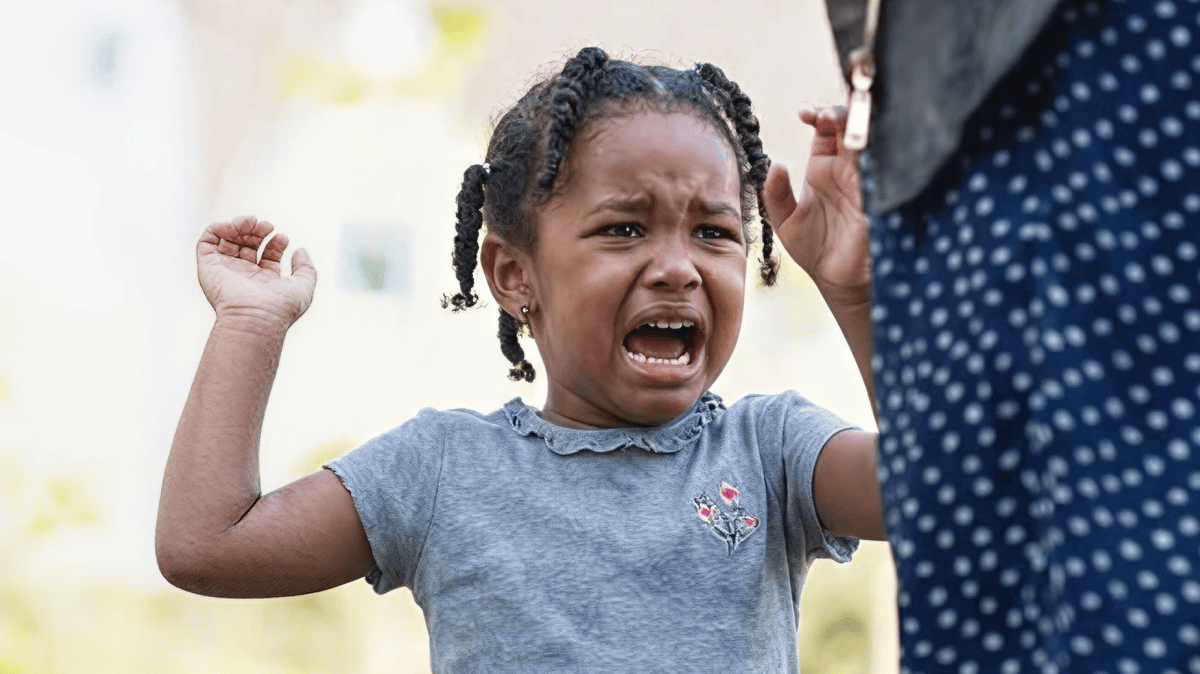
When a child perceives threat, the HPA axis triggers cortisol release. Chronic activation narrows thinking, weakens emotional regulation, and blocks learning. Research shows that building specific skills can help kids break this cycle and access their higher-order brain functions, even under pressure.
Beyond resilience: becoming antifragile
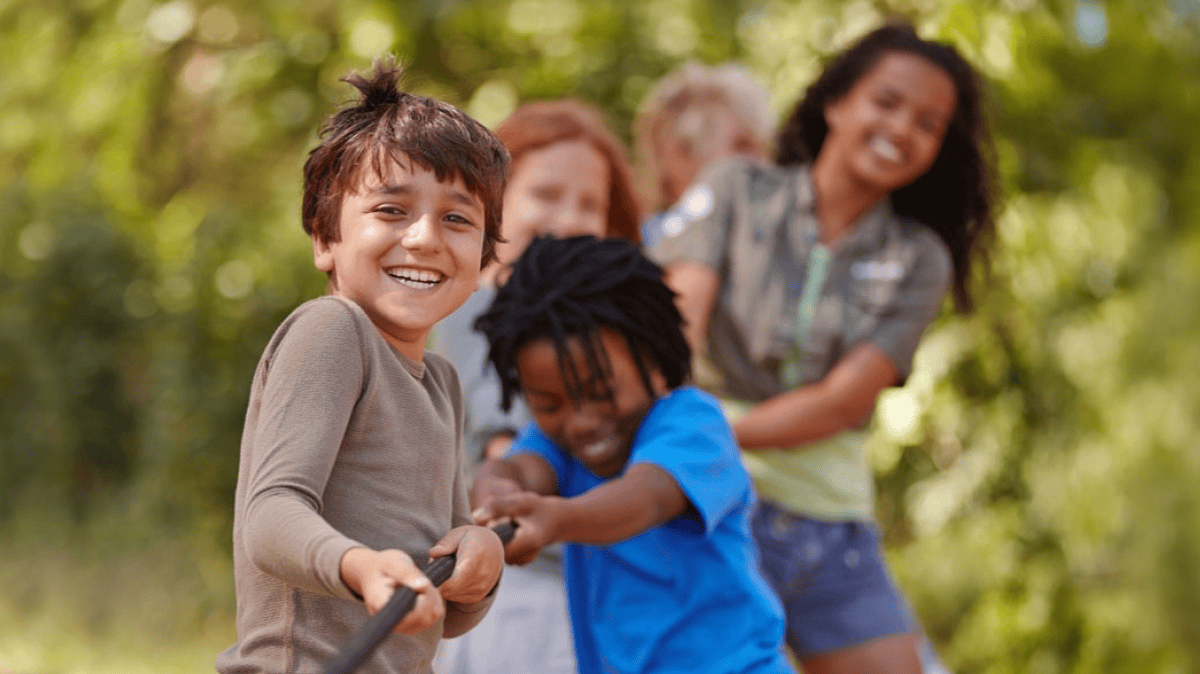
Resilience means bouncing back. But the research behind tapouts goes further, drawing on post-traumatic growth theory and the concept of antifragility. The goal isn't just to survive hard things, but to grow stronger because of them.